

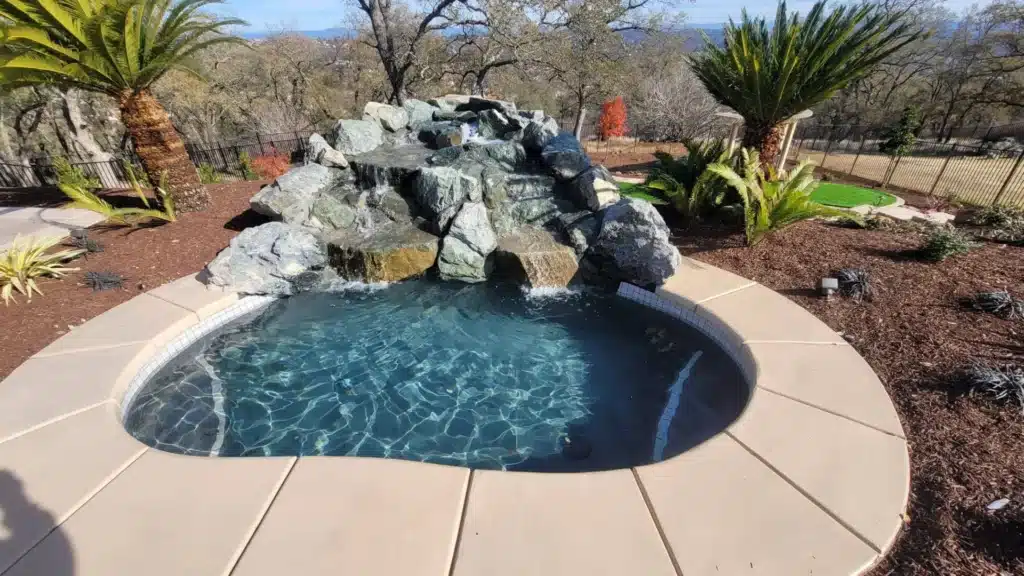
Custom Water Features: Expert Design and Installation for Your Outdoor Living Space
Water features turn outdoor spaces into serene retreats. From tranquil ponds to lively fountains, they enhance a landscape’s appearance and add a soothing soundscape. This article reviews core design principles, installation steps, and the ways water features improve outdoor living, and it outlines popular options for homeowners. Knowing the benefits and practical considerations helps you choose a feature that elevates your outdoor environment.
Expert Design Principles
Designing a custom water feature blends creativity with technical know-how. The goal is a harmonious fit with the surrounding landscape while ensuring function and visual appeal. Key principles include:
- Integration with Landscape: Complement existing flora and hardscape to create a cohesive look.
- Functionality: Determine the feature’s purpose—relaxation, wildlife habitat, or a visual focal point—and design accordingly.
- Aesthetic Appeal: Use materials, textures, and shapes that reinforce the overall landscape theme and visual interest.
Applying these principles produces water features that are attractive, purposeful, and well-matched to their setting.
Installation Processes
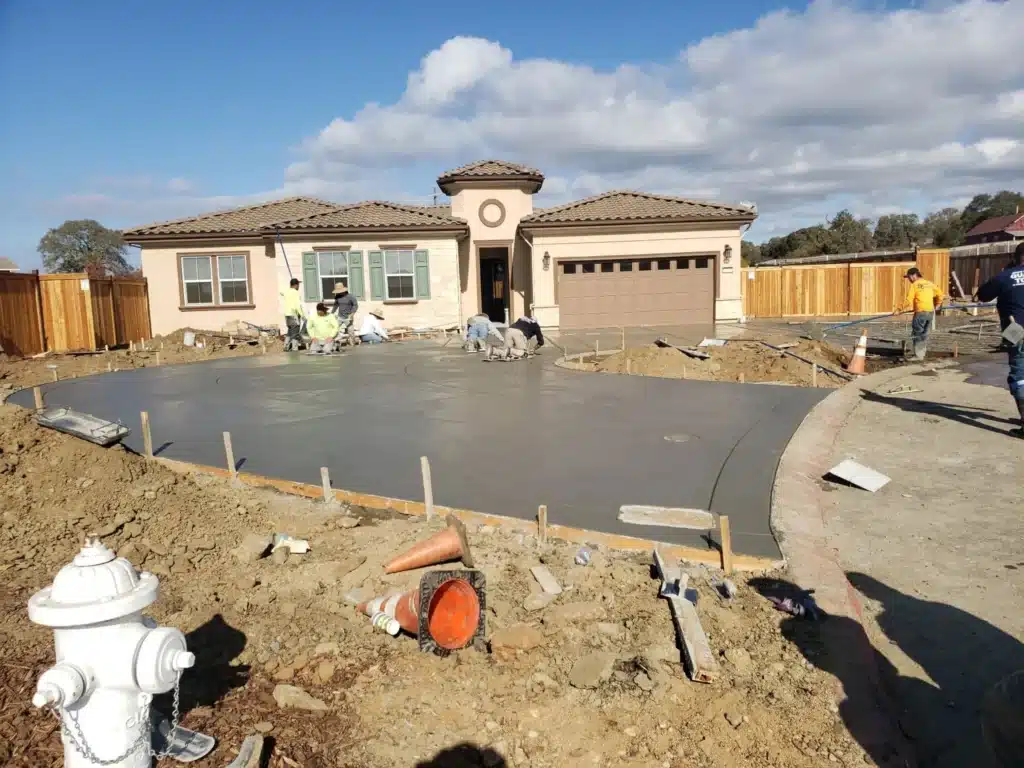
Installation is a staged process requiring planning and precise execution. Essential steps include:
- Planning and Consultation: Work with a landscaper to refine your vision, budget, and site constraints.
- Site Preparation: Clear and grade the area, confirm drainage, and plan utility access where required.
- Construction and Lighting: Build to specifications and integrate pumps, filtration, and lighting to optimize both performance and nighttime appeal.
Following these steps helps ensure the feature looks great, performs reliably, and endures over time.
What Are the Benefits of Custom Water Features for Your Property?
Custom water features offer visual and functional advantages. They can:
- Increase Property Value: Thoughtful designs can boost curb appeal and marketability.
- Enhance Relaxation: The sound of flowing water creates a calming atmosphere for rest and reflection.
- Attract Wildlife: Ponds and shallow basins provide habitat for birds, beneficial insects, and other wildlife.
These benefits make well-designed water features a strong investment in outdoor living quality.
Impact on Outdoor Living Spaces
Water features enhance outdoor living by improving usability and enjoyment. They contribute by:
- Increasing Usability: A focal water element draws people outdoors and encourages gatherings and activities.
- Enhancing Aesthetics: Moving water adds texture, light reflections, and motion that transform a garden’s appearance.
- Attracting Wildlife: Providing water supports greater biodiversity and lively seasonal interest.
Because of these effects, water features are frequently used in landscape design to elevate outdoor experiences.
Popular Water Feature Options
Homeowners can choose from several water-feature types, each with distinct benefits and looks. Popular options include:
- Pondless Waterfalls: Offer the sound and movement of a waterfall without a standing pond—ideal for smaller yards or safety concerns.
- Decorative Fountains: Available in many styles and scales, fountains serve as striking focal points on patios, courtyards, or gardens.
- Koi Ponds: Provide a living centerpiece that adds movement, color, and a traditional garden element when properly maintained.
Each option can be tailored to site conditions, maintenance preferences, and design goals.
How Do Water Features Enhance Outdoor Living Spaces?
Water features create a multi-sensory environment—engaging sight, sound, and touch. Flowing water helps mask unwanted noise, invites relaxation, and visually anchors outdoor rooms, encouraging more time spent outside.
What Positive Outcomes Can You Expect from Professional Water Feature Installation?
Professional installation supports longevity and consistent performance. Homeowners typically receive:
- Quality Craftsmanship: Skilled installers use durable materials and proven techniques.
- Expert Guidance: Professionals provide placement, design, and maintenance recommendations that improve outcomes.
- Enhanced Aesthetics: Properly integrated features look intentional and complement the wider landscape.
Hiring experienced professionals reduces the risk of design or installation problems and improves long-term satisfaction.
How Does Blue Rock Landscape Ensure Quality Craftsmanship and Client Collaboration?
Blue Rock Landscape provides landscaping and hardscaping, including custom water feature installation. They work closely with clients so each project reflects the homeowner’s vision. By selecting quality materials and applying experienced craftsmanship, Blue Rock Landscape delivers features that are attractive, functional, and durable.
Essential Maintenance Practices for Long-Lasting Water Features
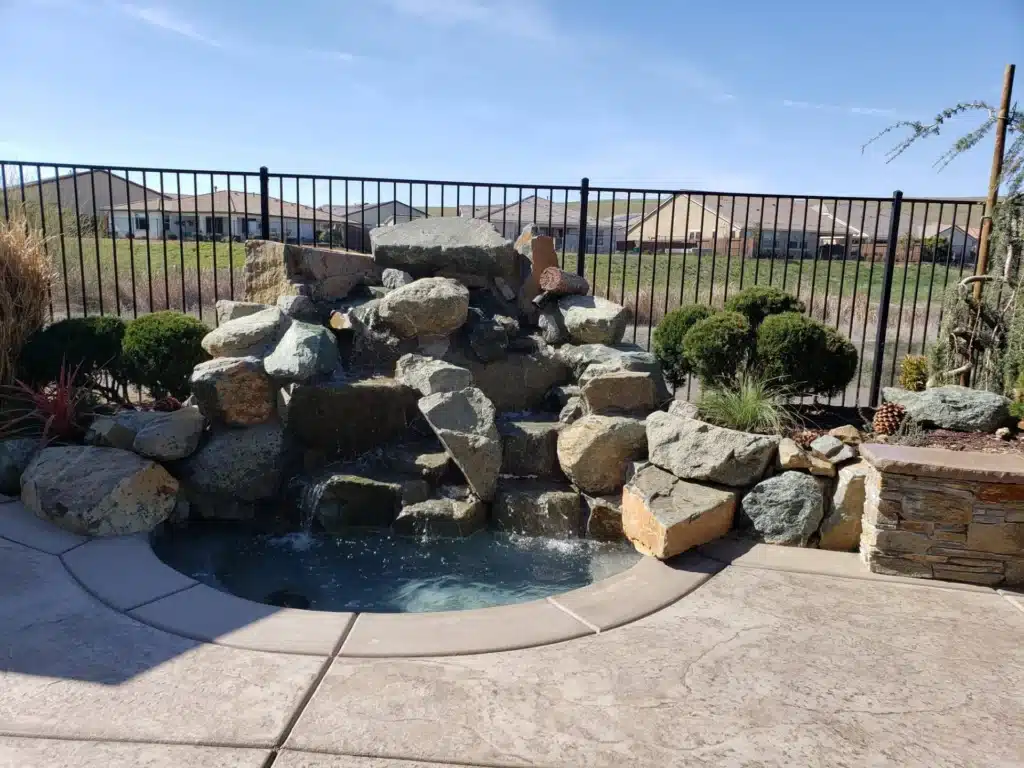
Regular maintenance keeps water features functional and attractive. Key practices include:
- Regular Cleaning: Remove leaves, debris, and visible algae to keep water clear.
- Pump Maintenance: Inspect and clean pumps and filters to maintain flow and efficiency.
- Seasonal Adjustments: Winterize or prepare for dry periods by adjusting water levels and protecting equipment.
Consistent upkeep prolongs a feature’s life and reduces costly repairs.
How Can You Maintain and Repair Backyard Water Features Effectively?
Effective maintenance and repair rely on:
- Routine Inspections: Check for leaks, clogs, and wear before small issues grow.
- Prompt Repairs: Address problems quickly to avoid escalation.
- Professional Help: For electrical, structural, or complex filtration issues, hire a qualified contractor.
These practices preserve both beauty and function so your water feature remains a valued landscape element.
What Eco-Friendly Maintenance Options Support Sustainable Water Features?
Sustainable options reduce environmental impact and maintenance load:
- Natural Filtration: Plants and biological filters can reduce chemical use and improve water quality.
- Rainwater Harvesting: Using collected rainwater to refill features conserves potable water.
- Organic Treatments: Select organic or low-impact solutions for algae and pest control when needed.
Adopting these practices helps you enjoy a beautiful feature while minimizing ecological footprint.
For examples of our work, visit our “portfolio”.
To discuss your project and explore possibilities, “contact us” today. We’re here to help you create the ideal outdoor space.
At Blue Rock Landscape, we prioritize a collaborative client experience from consultation through installation, emphasizing “client collaboration” at every step.
Frequently Asked Questions
What factors should I consider when choosing a water feature for my garden?
Assess space, existing landscape, and intended use. Choose between a calm pond, a dynamic fountain, or a pondless waterfall based on maintenance capacity, budget, and local climate.
How can I ensure my water feature is safe for pets and children?
Favor shallow areas or gentle slopes, add barriers such as fencing or dense plantings, use non-toxic maintenance products, and supervise activity near water.
What are the best plants to incorporate around water features?
Select native aquatic plants like water lilies, cattails, and rushes for wet zones; use marginal plants such as ferns and hostas to soften edges; and add flowering species to attract pollinators.
How can I winterize my water feature?
Remove debris and algae, lower water levels if needed, use a de-icer to prevent complete freezing, drain removable fountain parts, and cover or protect features from severe weather.
What are the common issues with water features and how can I troubleshoot them?
Algae, leaks, and pump failures are common. Improve circulation and introduce competing plants for algae control; inspect liners and seals for leaks; and check pumps for clogs or electrical faults. Regular maintenance prevents most problems.
Can I install a water feature myself, or should I hire a professional?
Simple features can be DIY, but complex designs benefit from professional design and installation to ensure proper placement, structure, and long-term performance.